
Circus of Maxentius
10 min walk
This remarkably preserved Roman chariot racing stadium complements your visit by showcasing the grandeur of imperial entertainment structures along the Appian Way.

The Appian Way stretches southeast from the Aurelian Walls into the Roman countryside, a corridor of stone and history that has guided travelers for over two millennia. The Catacombs of San Callisto sit at kilometer 2, accessible by city bus or bicycle along one of the world's oldest still-intact roads.
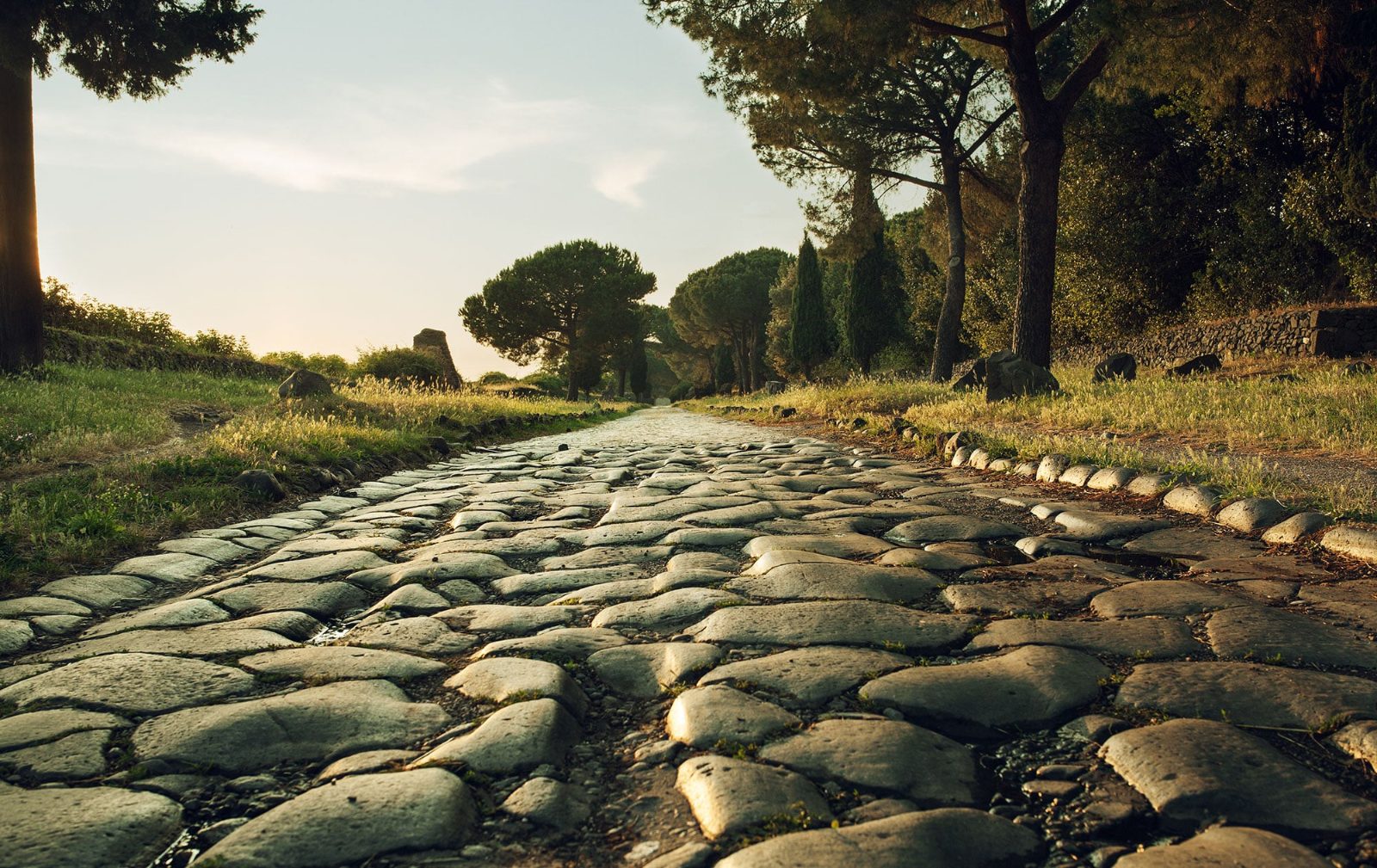
Quick answer
Where is the Appian Way in Rome? The Via Appia Antica begins at Porta San Sebastiano, the monumental gate in Rome's Aurelian Walls, and extends southeast into the suburban countryside. The Catacombs of San Callisto are located at Via Appia Antica, 110, 00179 Roma RM, Italy, roughly 2 kilometers from the gate. The ancient road remains unpaved in sections, bordered by umbrella pines and archaeological sites.
The Via Appia Antica was engineered in 312 BCE as Rome's first long-distance military highway, linking the capital to Brindisi on the Adriatic coast. Today, the first five kilometers form a protected archaeological park where the original basalt paving stones still bear the grooves carved by centuries of cart wheels. The Catacombs of San Callisto occupy a volcanic tufa hillside at the road's second kilometer, one of dozens of burial complexes that line the ancient route. Rome's early Christians chose the Via Appia as their necropolis because imperial law forbade burials within the city walls. The soft tufa stone allowed for multi-level excavation, and the road's prestige made it a coveted burial ground for martyrs and popes. San Callisto became the official cemetery of the Roman Church in the 3rd century, housing over half a million burials across four levels and 20 kilometers of galleries. The modern visitor reaches the Catacombs by exiting central Rome through Porta San Sebastiano, where the ancient Via Appia begins its straight trajectory southeast. The road passes the Circus of Maxentius and the Tomb of Cecilia Metella before arriving at the Catacombs entrance. On Sundays, a 3-kilometer stretch closes to motorized traffic, transforming the ancient thoroughfare into a pedestrian and bicycle corridor flanked by umbrella pines and fragmented aqueducts. Visitors unfamiliar with where is the Appian Way in Rome often conflate it with the parallel Via Appia Nuova, a modern arterial highway built in the 1780s. The Antica—the ancient road—maintains its archaeological character, unpaved in stretches and bordered by ruins. The Catacombs of San Callisto operate guided tours in multiple languages, descending into cool subterranean chambers where frescoes and inscriptions map the evolution of early Christian iconography. The site remains an active archaeological zone, with portions of the complex still undergoing excavation and study.
“The Via Appia Antica was engineered in 312 BCE as Rome's first long-distance military highway, linking the capital to Brindisi on the Adriatic coast.”
The Catacombs of San Callisto are situated along the historic Appian Way at Via Appia Antica, 110, 00179 Roma RM, Italy. The most accessible way to reach this site from Rome's city center is by combining public bus lines or utilizing a taxi for a direct connection.
Line 118 from Colosseo or Circo Massimo to Appia Antica/Domine Quo Vadis stop
Direct service from Rome City Center to Via Appia Antica, 110
From the Appia Antica/Domine Quo Vadis bus stop to the entrance
While the bus drops you on the main road, the entrance is a short walk from the stop; ensure you confirm your bus direction toward Appia Antica to avoid traveling away from the site.
The Catacombs of Saint Callixtus are open for visitors throughout the week, with the exception of Wednesdays.
The best arrival window is 09:00–16:00 to avoid midday crowds and peak group tour traffic. Visiting outside of these peak surges ensures a more deliberate pace for your exploration of the Appian Way.
—
Arrive at 09:00 to beat the primary influx of group tours. This allows for quieter access to the underground passages.
Mild, 15°C to 22°C
Expect increased activity due to favorable walking temperatures. Plan your arrival for the early 09:00 window.
Pleasant, 16°C to 24°C
Crowds remain consistent as the weather is ideal for cycling and walking. Early entry remains the most effective strategy to manage foot traffic.
Hot, often above 30°C
High temperatures and peak tourist season result in heavy crowding. Prioritize the earliest possible arrival to avoid the heat and the largest tour groups.
Verdict: The best slot is Tuesday to Thursday, arriving at 09:00 during the months of April or October.
The Appian Way is surrounded by archaeological landmarks that deepen the context of your visit to the catacombs. Exploring these sites via bike allows you to connect the area's subterranean history with its ancient surface monuments.
10 min walk
This remarkably preserved Roman chariot racing stadium complements your visit by showcasing the grandeur of imperial entertainment structures along the Appian Way.
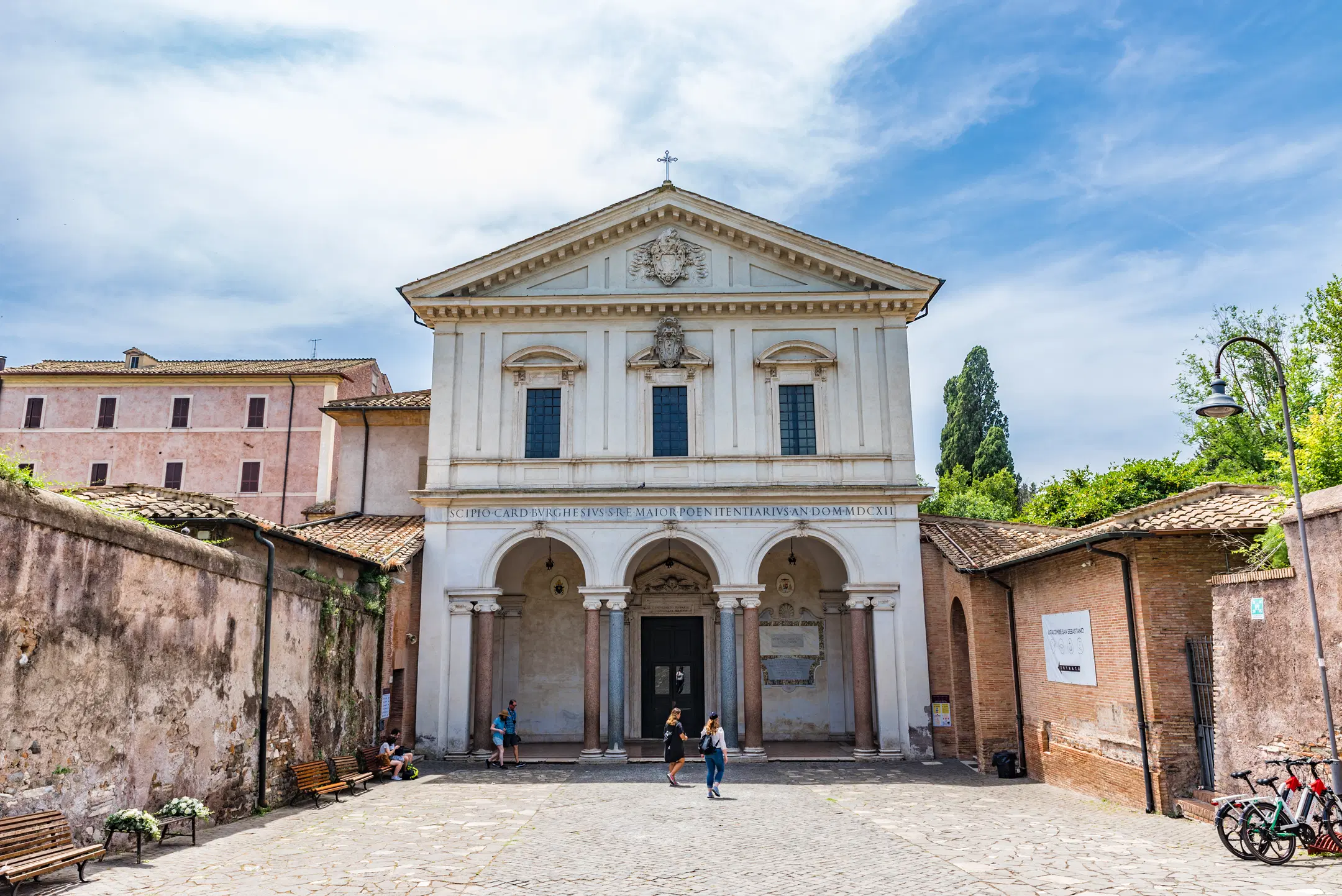
12 min walk
Located just a short distance away, these catacombs offer another layer of early Christian burial history to compare with your primary destination.
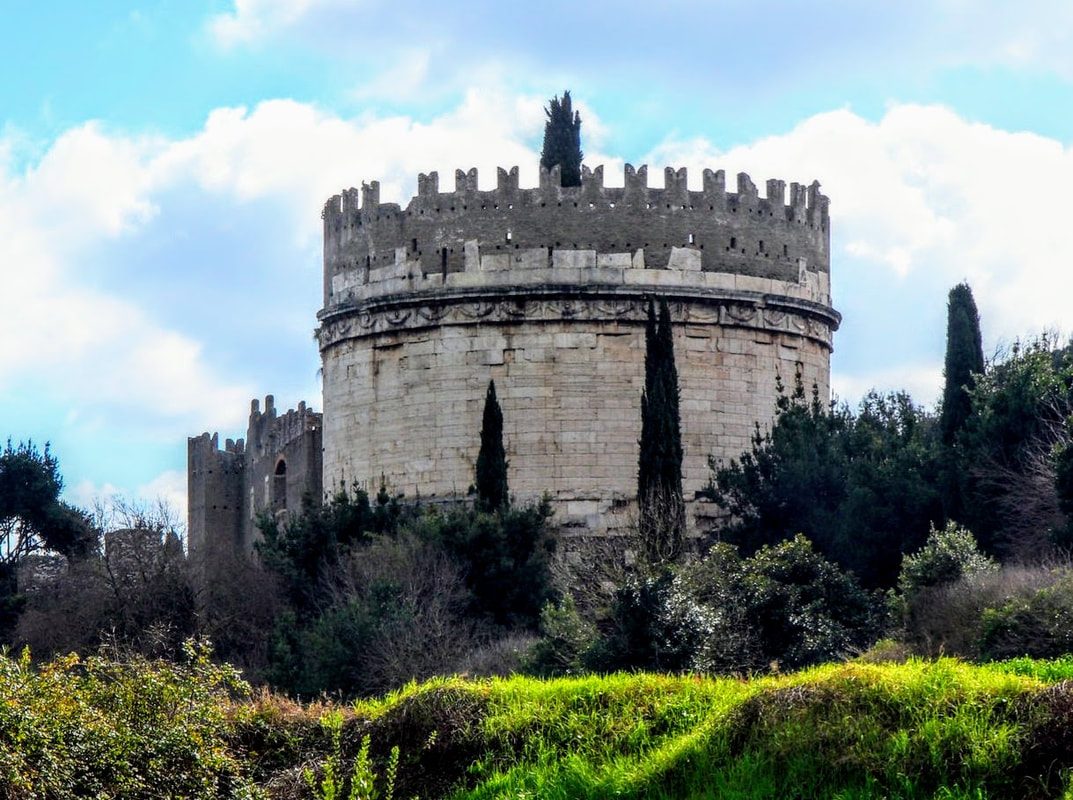
15 min walk
Situated atop a hill, this massive cylindrical mausoleum provides a clear transition from the underground burial sites to the funerary monuments built for the Roman elite.
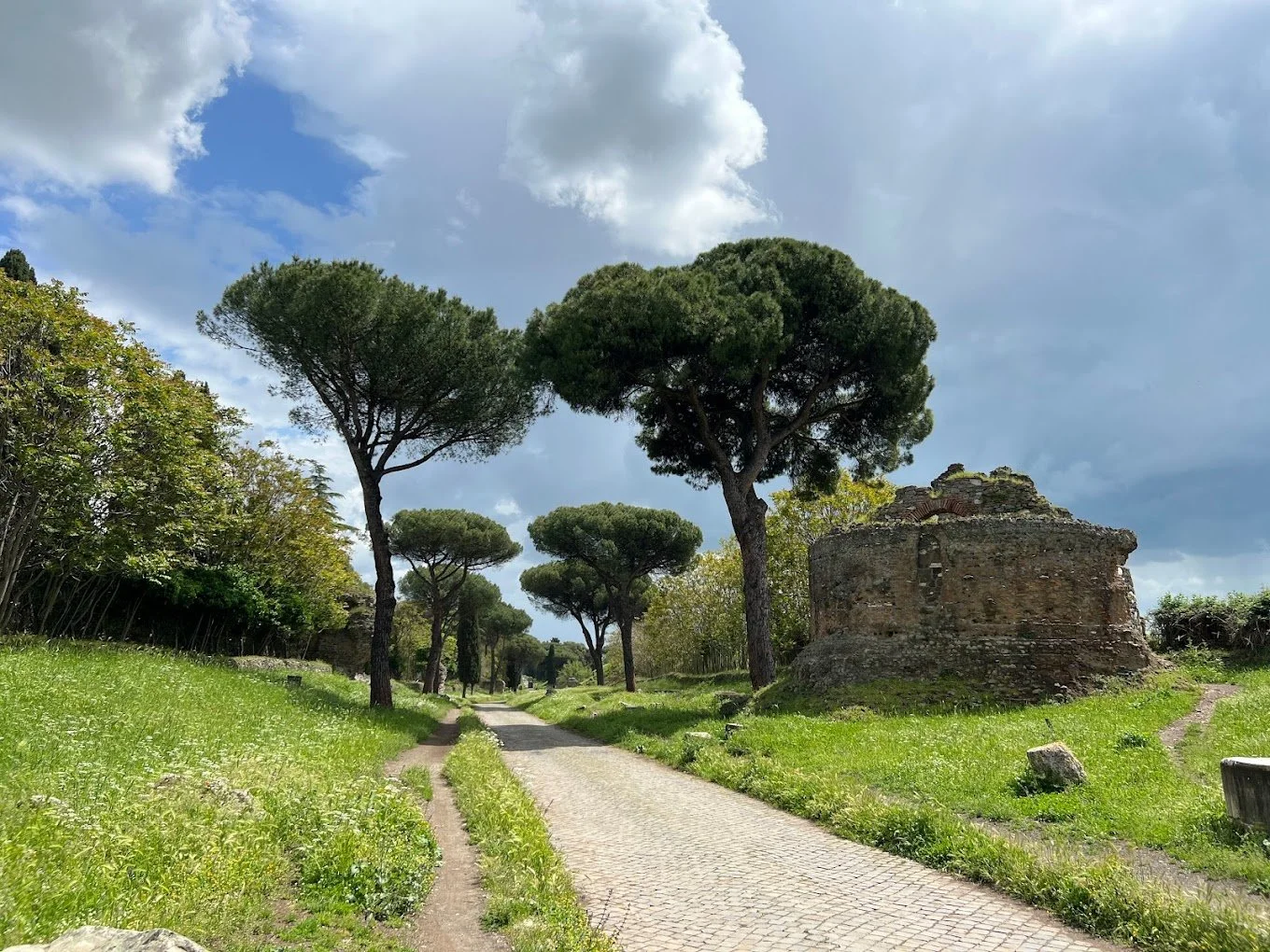
5 min bike ride
This expansive green space connects directly to the Appian Way, offering a scenic landscape that features ancient nymphaeums and traditional Roman farmhouses.
Everything you need to know about where is the appian way in rome
The Appian Way, or Via Appia Antica, is located southeast of the city center, and the specific address for the Catacombs of San Callisto is Via Appia Antica, 110, 00179 Roma RM, Italy. You can find this historic route easily as you plan your itinerary for exploring ancient Roman landmarks.
Yes, visitors can explore the underground galleries and burial chambers of the catacombs located along this ancient road. Tours of these Appian Way catacombs are conducted by site staff to ensure the preservation of the site.
Public transport or organized transport options are available to reach this significant site outside the historic center. Once you arrive at the Appian Way in Rome, the site is accessible for those interested in subterranean Roman history.
The catacombs are open Monday, Tuesday, Thursday, Friday, Saturday, and Sunday from 09:00–12:00 and 14:00–17:00, remaining closed on Wednesdays. Please verify these hours before your visit to ensure you can access the galleries.
The standard admission fee is 10 EUR per person. This fee supports the maintenance of these important heritage sites along the Appian Way.
The best arrival window is between 09:00–16:00 to avoid midday crowds and peak group tour traffic. Arriving early or late helps provide a more peaceful experience when you visit where is the appian way in rome.
Children are welcome to visit the catacombs provided they are accompanied by an adult. The environment is educational, though the narrow, underground passages may require careful supervision.
A common mistake is assuming the site is open daily; always remember the catacombs are closed on Wednesdays. Additionally, do not rely on walking from the city center, as the area is best reached by bus or dedicated transport when visiting the Appian Way in Rome.